Summary
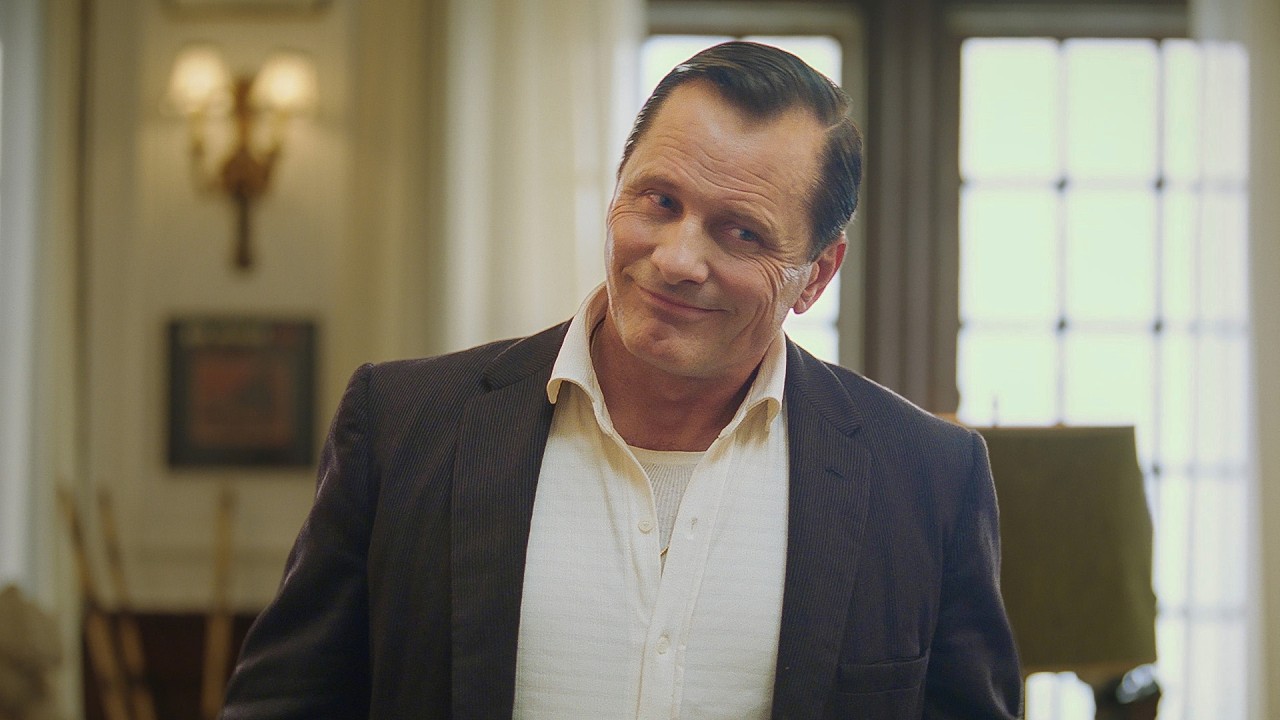
TL;DR: A tense hiring interview from Green Book where Dr. Donald Shirley (a pianist) asks a potential driver, Tony, if he can work for a Black man, leading to a negotiation about duties, pay, and racial concerns.
Verdict: WATCH — the clip offers a concise, dialogue‑driven look at race, labor, and humor in the film, useful for anyone interested in its themes.
Key Takeaways
- Dr. Donald Shirley, actually a celebrated pianist, is hiring Tony as his driver/assistant for a Southern concert tour.
- The interview directly asks, “Do you foresee any issues in working for a black man?” exposing racial tension.
- Tony negotiates his role, refusing to be a full‑time butler and demanding $1.25 per week plus room and board.
- The film illustrates the logistical and safety challenges of touring the Deep South during segregation.
- A parallel subplot hints at mob‑related danger, showing the broader peril surrounding the tour.
Insights
- The title “doctor” is a tongue‑in‑cheek way to elevate a pianist’s status, reflecting how titles were used for respect in that era.
- Despite serious racial undercurrents, the characters discuss employment terms with a casual, almost comedic tone, highlighting complex social dynamics.
Key Topics
- Employment negotiation
- Race relations in the 1960s American South
- Music tour logistics and safety
Key Moments
0:45 - Dr. Shirley asks Tony if he anticipates any issues working for a Black man.
2:35 - Tony declines extra money, emphasizing he wants time with his family.
4:20 - Tony receives the first half of his pay and learns the strict performance‑based payment terms.
Notable Quotes
"I'm not just hiring a chauffeur. I need someone who can handle my itinerary, be a personal assistant, I need a valet."
Best For
Fans of Green Book and viewers interested in how the film portrays race and labor dynamics in the 1960s.
Action Items
- Watch the full movie to see how this scene fits into the larger narrative.
- Reflect on the historical context of race relations and employment in the Deep South.
- Discuss the scene’s blend of humor and tension in a film study or classroom setting.