Summary
TL;DR: Many new pilots end up choosing cargo aircraft because they pay more, are less physically demanding, and offer longer, more flexible careers than fighter jets.
Verdict: WATCH — the video packs solid career insight into an entertaining, fast‑paced format that’s useful for anyone eyeing a military aviation path.
Key Takeaways
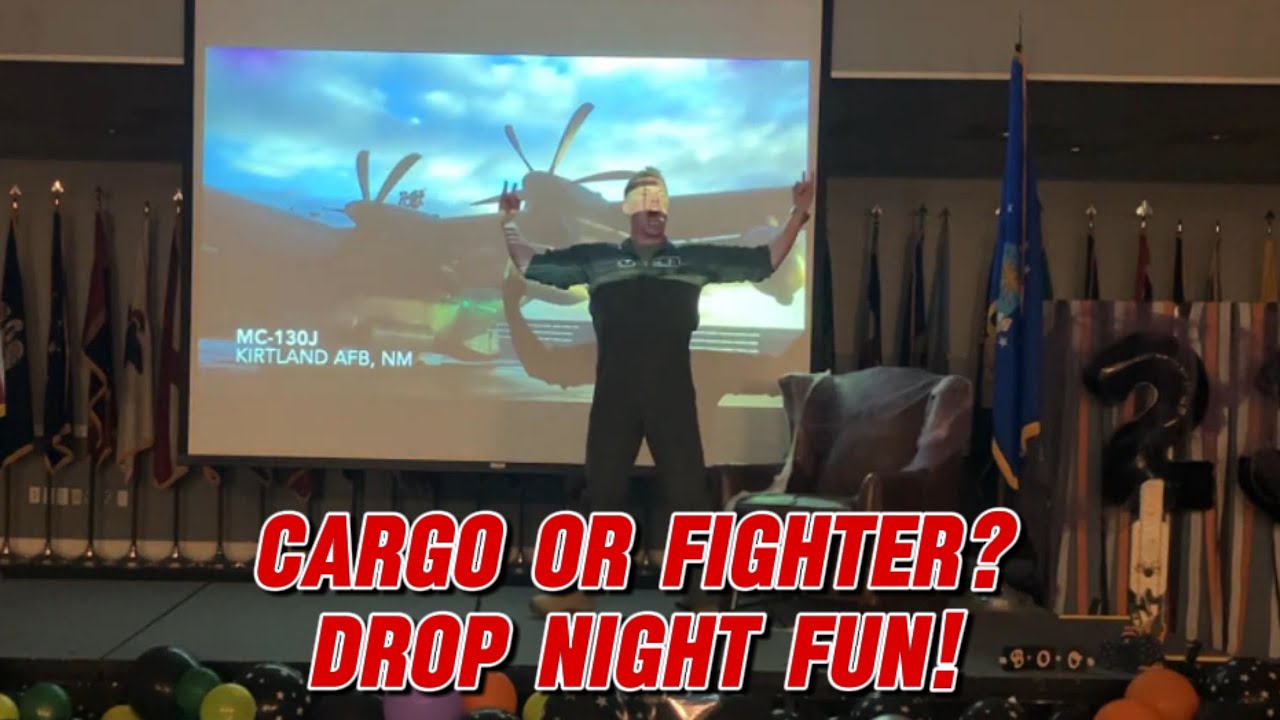
- Drop Night is the Air Force ceremony where pilots learn which aircraft they’ll fly for the rest of their service.
- Cargo pilots enjoy higher salaries and far less extreme G‑forces, giving them a better work‑life balance.
- Career longevity is stronger for cargo crews, with clear pathways to commercial airline jobs after military service.
- Fighter pilots face intense physical strain, shorter service spans, and fewer civilian‑flight opportunities.
- The video uses humorous anecdotes (e.g., Captain Palmer’s hot‑dog mishap) to illustrate the cultural contrast between cargo and fighter tracks.
Insights
- Despite the prestige of fighter jets, a notable number of pilots actively prefer cargo planes for practical reasons.
- The Drop Night atmosphere includes quirky habits—like skateboards, hard cider, and last‑minute phone‑typing—that reveal a lighter side of military life.
Key Topics
- Drop Night aircraft assignment ceremony.
- Advantages of cargo piloting versus fighter piloting.
- Comedic pilot anecdotes highlighting personality and culture.
Key Moments
0:55 - discussion of pilots preferring cargo planes over fighter jets.
1:45 - explanation of longer careers and commercial transition for cargo pilots.
3:20 - humorous anecdote about a lieutenant who constantly breaks equipment.
Notable Quotes
"Cargo pilots typically have a more relaxed workload, translating into a better work‑life balance."
Best For
Aspiring military aviators, career counselors, or aviation enthusiasts curious about the trade‑offs between cargo and fighter tracks.
Action Items
- Look up cargo‑pilot salary ranges and duty‑hour expectations.
- Compare personal tolerance for high‑G maneuvers versus a steadier schedule.
- If interested, explore post‑service pathways from cargo to commercial airlines.