Summary
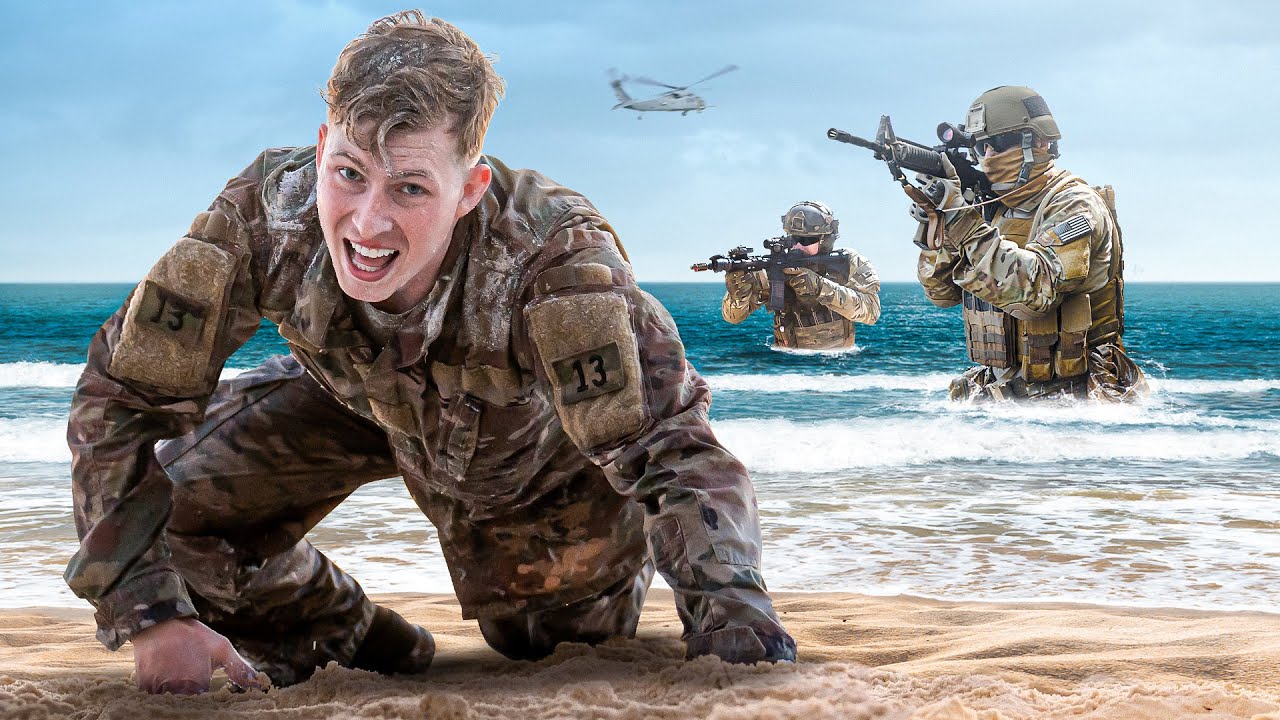
TL;DR: Civilian Sam tags along to experience a week of Air Force Special Tactics selection, enduring brutal PT, swimming, water‑stress drills, recovery sessions, and a full‑scale simulated combat mission.
Verdict: WATCH – the video offers an immersive, step‑by‑step look at elite training and showcases the physical, mental, and logistical demands of Air Force Special Operations.
Key Takeaways
- Special Tactics combines combat controllers, para‑rescue, special reconnaissance, and other AFSCs to deliver global‑access precision strike, personnel recovery, and battlefield surgery.
- The selection pipeline begins with a 1‑ to 4‑week grueling assessment; roughly 80 % of candidates drop out.
- Day 1’s PT test includes a double‑distance run, a 1,500‑meter (60‑length) swim, and intense calisthenics, all monitored by combat‑experienced cadres.
- Water‑based stress drills—flooded mask flutter‑kicks, tethered submersions, and cold‑plunge—are designed to test composure under extreme physiological pressure.
- A dedicated Human Performance Training Center provides sport‑medicine, mental‑health, chaplaincy, and recovery services (e.g., cold‑plunge/sauna) to keep operators at peak readiness.
- The week culminates in a simulated mission: ground assault, casualty care, and a “walking blood bank” where medics transfuse blood on the move.
- Operators rely on versatile platforms like the HC‑130J and airborne insertion techniques to achieve rapid global access.
Insights
- The “mask‑flutter‑kick” drill intentionally forces water up the nose and throat to create a choking sensation, a unique method to gauge mental toughness.
- Training emphasizes stress inoculation—pushing candidates to their threshold to assess decision‑making under pressure, rather than simply breaking them physically.
- Recovery is integrated into the pipeline; elite operators receive holistic support (medical, psychological, spiritual) highlighting the importance of long‑term resilience.
- The “walking blood bank” practice shows how Special Tactics medics can perform life‑saving transfusions in austere, combat‑like environments—an often‑overlooked capability.
Key Topics
- Special Tactics roles & mission sets
- Selection process & attrition rate
- Physical & mental stress testing
- Recovery & performance support
- Simulated combat mission & casualty care
- Airborne insertion & global access
Key Moments
0:05 - Introduction to Air Force Special Operations and its elite reputation.
3:20 - Explanation of the initial PT test and its role as a “ticket to get in the door.”
5:15 - The 1,500‑meter swimming challenge and Sam’s struggle with limited pool training.
8:40 - Flooded mask flutter‑kick drill illustrating extreme water‑stress testing.
12:55 - Recap of a grueling 5 AM‑to‑7 PM day and the mental stamina required.
16:20 - Cold‑plunge session and discussion of recovery benefits (cold → sauna).
20:45 - Walking blood bank demonstration and its importance for battlefield trauma care.
Notable Quotes
"The water is a way to simulate stress that really nothing else matches" (the water is a way to simulate stress that really nothing else matches)
Best For
Anyone interested in elite military training—prospective Special Operations candidates, defense enthusiasts, or viewers who want a realistic glimpse into the physical and mental rigors of Air Force Special Tactics.
Action Items
- Review the listed Special Tactics AFSCs to understand which career path aligns with your interests.
- Incorporate stress‑inoculation drills (e.g., breath‑control under discomfort) into your own fitness routine.
- Prioritize recovery practices—cold exposure, sauna, and professional medical support—to sustain high‑intensity training.
- If pursuing a military career, research the 80 % attrition statistic and prepare mentally for the possibility of multiple attempts.