Summary
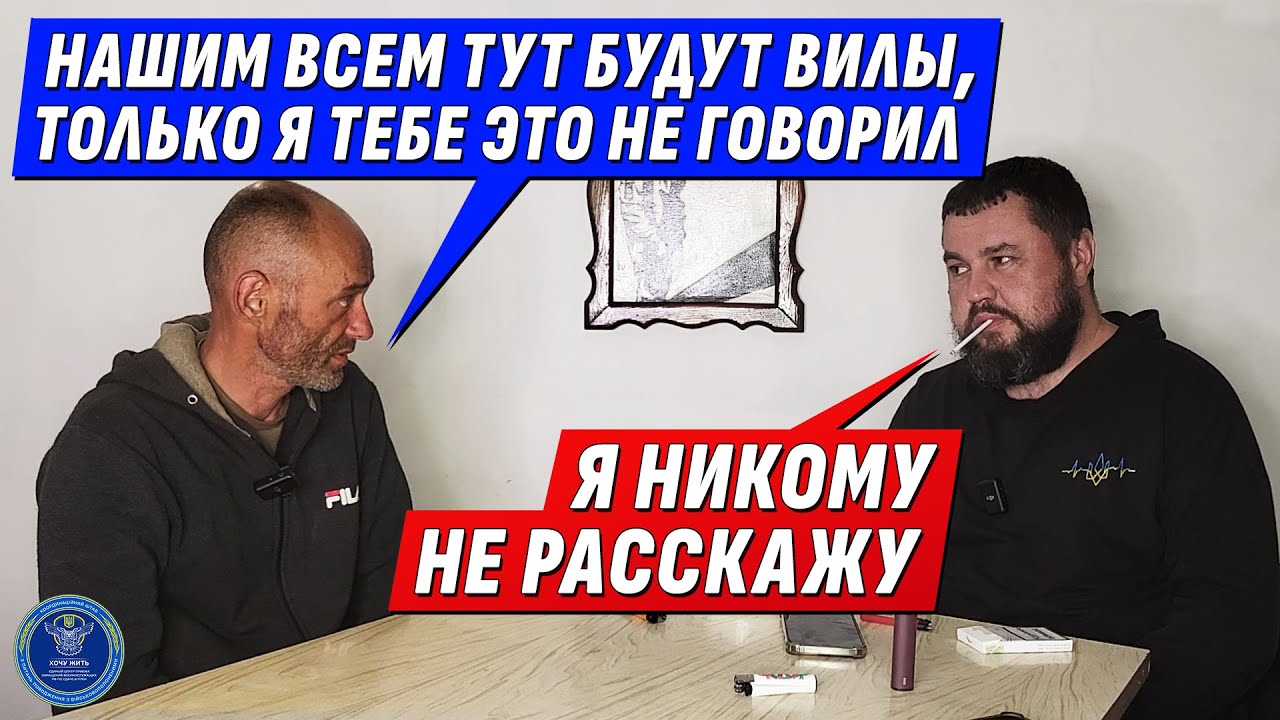
TL;DR: A former convict recruited into a Russian contract battalion recounts brutal frontline experiences, massive casualties, drone surveillance, and his capture, exposing the chaotic and lethal reality of the war.
Verdict: SKIM – the video offers a raw, first‑hand account that’s valuable for understanding the human cost of the conflict, though the narration is disjointed and heavily repetitive.
Key Takeaways
- The narrator, a 1980‑born Moscow native serving a murder sentence, was recruited by a Ministry of Defense officer in May 2023 under false pretenses about being kept in the rear.
- Upon arrival at a forest strip (≈300 m × 2 km) the unit immediately came under drone‑guided artillery; the first night saw ≈100 dead and 82 severely wounded.
- Reinforcements (BMPS, additional 240 + 160 troops) arrived, but Ukrainian forces used mortars, cassette bombs and drones to inflict 200+ casualties in a single day.
- Soldiers suffered extreme shortages of food, water, and medical evacuation; many bodies were left to rot in the forest for days.
- The narrator was eventually captured, interrogated, and transferred on a BTR while being filmed; he repeatedly emphasizes the fear of being labeled a “traitor” if he refused combat.
- He criticizes the Russian command for providing no thermal imaging, drones, or adequate protective gear, turning conscripts into “meat.”
- The interview also drifts into broader political commentary, linking current events to WWII, NATO expansion, and Russian propaganda, highlighting the information war surrounding the conflict.
- The narrator concludes he will no longer return to combat and urges others to recognize the human cost of being sent to the front.
Insights
- Drone‑driven targeting is described as the decisive factor in the Ukrainian defense, with drones monitoring movements for up to 30 minutes before directing artillery.
- The Russian contract battalion was mis‑named “Z‑storm” and later “Petushiny Battalion,” reflecting a chaotic naming system that may conceal operational realities.
- Mass graves and unremoved corpses were deliberately left in the forest, suggesting a breakdown in logistical and humanitarian protocols on the front.
- The interview reveals a legal gray area: participants are forced to consent to recording under threat of prosecution, exposing the coercive media environment.
Key Topics
- Frontline recruitment deception
- Heavy casualties and battlefield conditions
- Drone surveillance and artillery coordination
- Capture, interrogation, and media consent
- Russian military logistics failures
- Propaganda, information warfare, and historical parallels
Key Moments
| Timestamp | Description |
|---|---|
| 00:00 | Narrator introduces himself, his background, and gives consent for recording. |
| 02:30 | Arrival at the forest strip; immediate drone‑guided artillery and first night’s heavy losses. |
| 05:45 | Reinforcements arrive (BMPS, additional troops) and a second wave of mortar and cassette bomb attacks. |
| 09:10 | Description of severe shortages (no food, water, medical evacuation) and the fate of the dead bodies. |
| 12:20 | Capture and transfer on a BTR; forced interview and consent discussion. |
| 15:40 | Critique of Russian command’s lack of equipment (thermal scopes, drones) and the “meat” analogy. |
| 18:55 | Closing reflections on refusing future combat and the broader political context. |
Notable Quotes
"Короче, мы приехали на позицию, там уже 97 трупов лежало" (“In short, we arrived at the position and there were already 97 corpses lying there.”)
Best For
Anyone interested in a first‑hand, unfiltered testimony of the conditions faced by Russian contract soldiers on the Ukrainian front.
Action Items
- Share this testimony to raise awareness of the human cost of forced recruitment.
- If you or someone you know is being approached for enlistment, verify the terms and seek independent counsel.
- Support organizations that document war crimes and provide aid to prisoners of war and their families.
Community Discussion
What Viewers Think
Overall Sentiment: Mixed · Consensus: Viewers generally praised the personal stories and bravery shown, while many also voiced sorrow over the ongoing conflict and offered constructive criticism of certain portrayals.
What People Liked
Common Complaints
Interesting Takes
Verdict
The community’s reaction was mixed, with many viewers connecting to the human stories and expressing admiration for the courage depicted. At the same time, there is a strong undercurrent of sorrow and constructive feedback regarding the portrayal of the conflict and its emotional intensity. Overall, the video sparked thoughtful discussion, resonated emotionally, and highlighted areas where viewers hope for clearer context and greater sensitivity.