📝 Summary
TL;DR: A former arms dealer recounts his global illicit trade, shifting identities, and the moral gray zones of selling weapons to anyone but the Salvation Army.
Verdict: WATCH — the candid, behind‑the‑scenes perspective offers a rare look at the complexities of the international arms market.
🔑 Key Takeaways
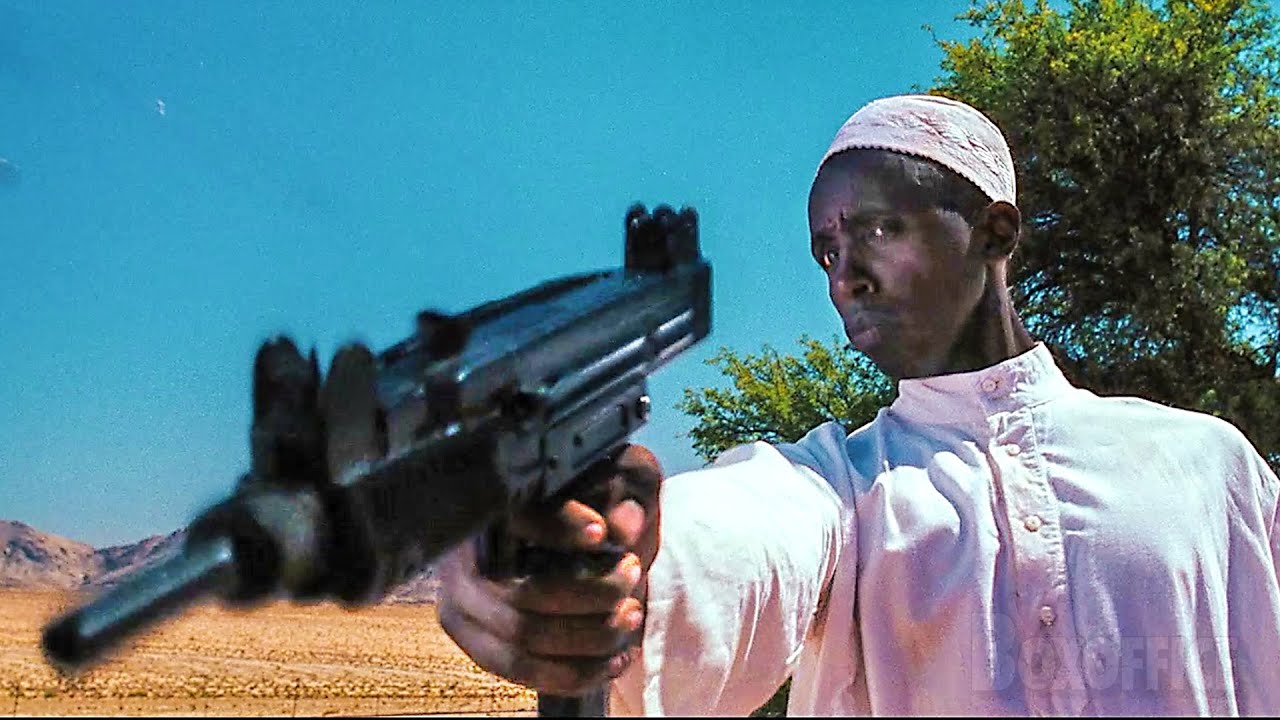
- The narrator sold second‑hand weapons worldwide, handling everything from Israeli Uzis to communist bullets.
- Profits were driven by universal currencies rather than ideology; “dollars, dinars, rupees…” mattered most.
- He supplied almost every major conflict zone in the 1980s, operating under multiple passports and visas.
- Arms dealing was described as a “legitimate” hustle comparable to selling vacuum cleaners—cold, transactional, and relentless.
- Despite moral claims, he never dealt with Osama bin Laden, citing “bouncing checks” as the excuse.
💡 Insights
- The arms trade’s logistics mirror everyday sales jobs: cold calls, pavement‑pounding, and inventory management.
- Maintaining multiple national identities (four passports + a student visa) was essential for evading detection and accessing diverse markets.
📋 Key Topics
- Global illicit arms trafficking
- Moral rationalizations in illegal commerce
- Identity juggling for covert operations
⏱️ Key Moments
- 0:45 – Introduction to selling Israeli‑made Uzis to Muslim buyers.
- 2:10 – Comparison of weapons sales to selling vacuum cleaners.
- 3:30 – Reveal of multiple passports and briefcases used for different regions.
- 4:55 – Moral line drawn at Osama bin Laden and the “bouncing checks” anecdote.
💬 Notable Quotes
"I was an equal‑opportunity merchant of death. I supplied every army but the Salvation Army."
👥 Best For
Anyone interested in the hidden mechanics of the arms industry, geopolitical history, or ethical debates around warfare.
🎯 Action Items
- Research current international arms regulations and how they have evolved since the 1980s.
- Reflect on personal ethical boundaries when profit motives intersect with conflict.