Summary
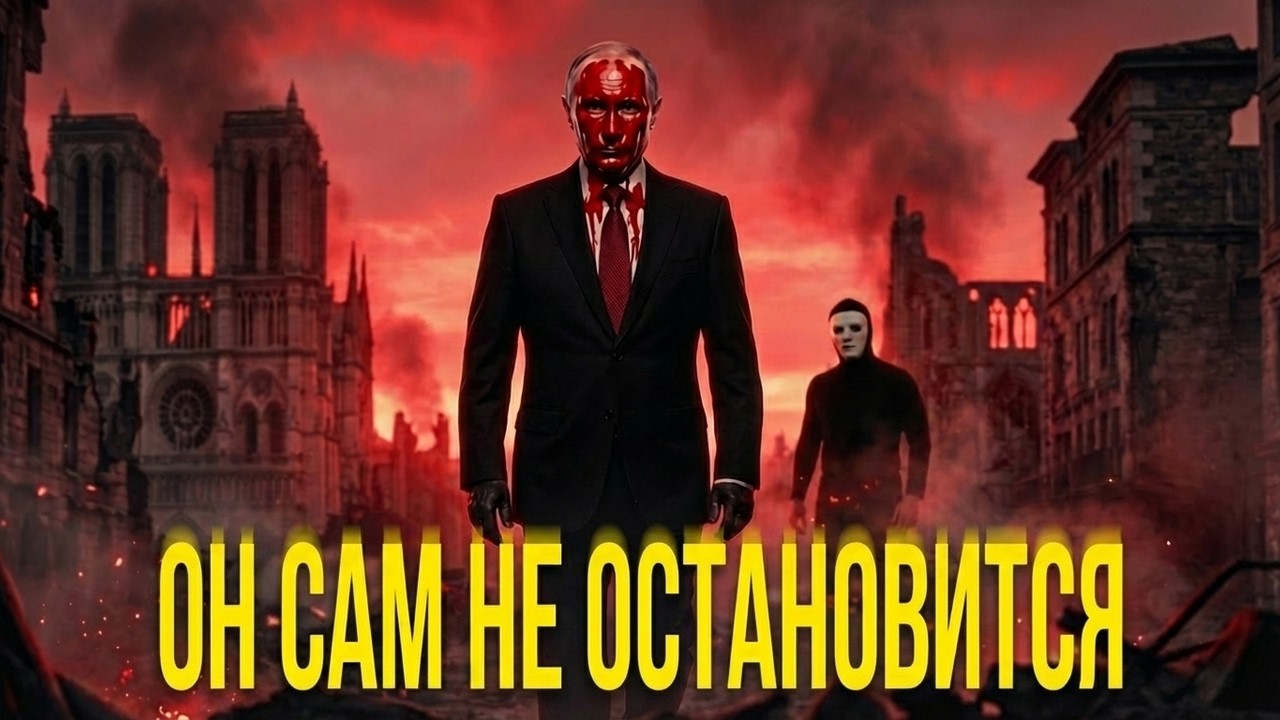
TL;DR: Russia’s war in Ukraine is draining trillions of rubles, fueling extensive propaganda networks that target Poland and other NATO states, while the strategic payoff appears limited.
Verdict: WATCH — the video offers a comprehensive, data‑rich analysis of Russia’s war costs, disinformation tactics, and the geopolitical stakes for Europe.
Key Takeaways
- Russia loses 25‑30 k soldiers monthly (≈1:2 killed : wounded) at a cost of ~13 M ₽ per death and 2 M ₽ per wound, totalling about 2.5 trillion ₽ per year.
- Kremlin’s strategic aim is not territorial gain but reshaping Russia’s status in Europe; the odds of achieving this under current stagnation are low.
- A fabricated Polish‑language tweet about Ukrainian drones over the Baltics was a Russian disinformation operation, later debunked by aviation experts.
- Russian‑linked funds and agents infiltrate Polish politics, media, and the judiciary, exemplified by the “Sputnik Poland” network and lawyer Ярослав Челстаковский.
- Poland’s public opinion is split on military aid to Ukraine, yet Russian propaganda seeks to portray Ukraine as a threat that could drag Poland into war.
Insights
- Despite heavy financial losses, Russia continues to invest in a “big‑war” narrative that anticipates NATO escalation, as outlined by former NATO official Richard Sheref.
- Russian‑funded disinformation in Poland operates on multiple fronts: media manipulation, political financing, and covert support for extremist groups, creating a coordinated pressure on NATO’s eastern flank.
Key Topics
- Economic burden of the Russian war
- Russian disinformation campaigns in Poland and the Baltics
- Geopolitical implications for NATO and Europe
Key Moments
- 0:00 – Overview of Russian military losses and budget impact.
- 3:12 – Deconstruction of the fake drone‑flight map and its propaganda origins.
- 6:45 – Examination of Russian‑linked networks influencing Polish politics and media.
- 10:20 – Discussion of potential escalation scenarios and Russia’s long‑term strategic goals.
Notable Quotes
"Я не занимался предсказаниями. Я сказал, что Россия нападёт на Украину и оказался прав." (I wasn’t making predictions. I said Russia would attack Ukraine and I was right.)
Best For
Analysts, students, and policy‑makers interested in Eastern European security, information warfare, and the financial dimensions of the Russia‑Ukraine conflict.
Action Items
- Verify the sources cited (drone footage, budget figures) before sharing.
- Monitor Polish media for further signs of coordinated Russian influence.
- Explore independent reports on NATO’s eastern strategy to contextualize the escalation risk.