📝 Summary
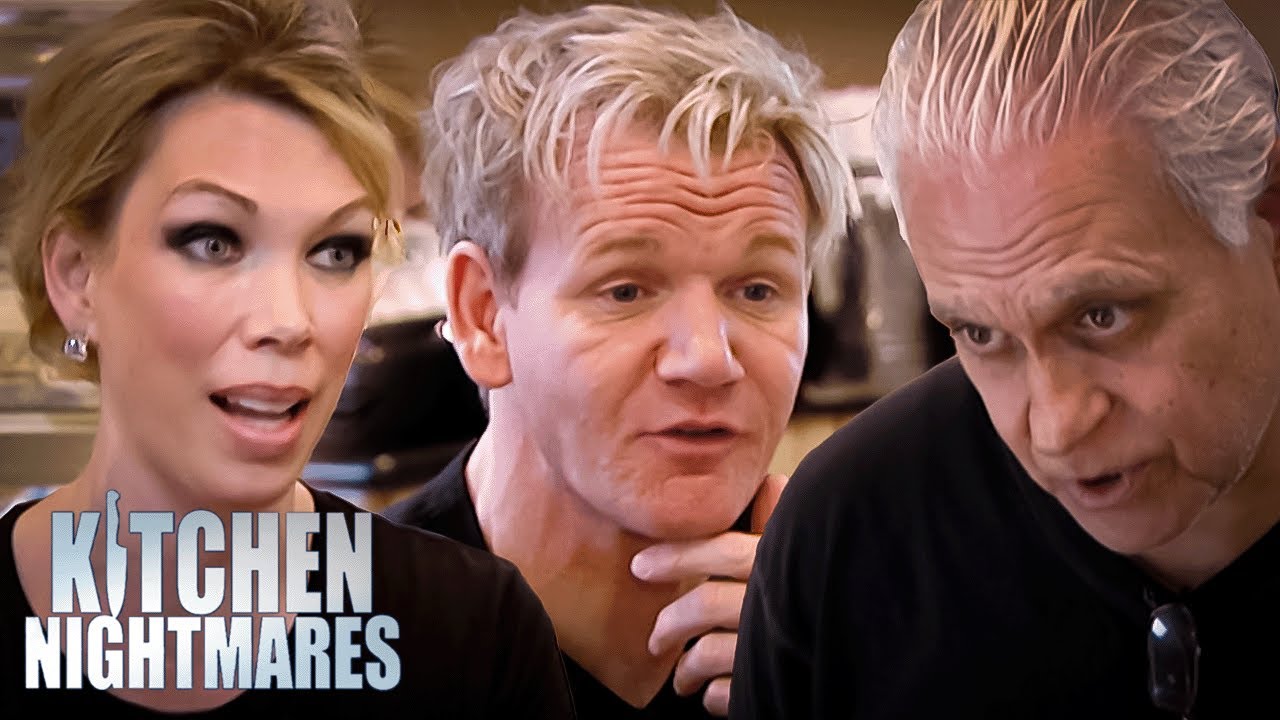
TL;DR: Chef Gordon Ramsey confronts the chaotic, hostile environment at Amy’s Baking Company, exposing poor food quality, abusive staff treatment, and the owners’ refusal to accept criticism, ultimately walking away and sparking massive online backlash.
Verdict: SKIM — the episode is a dramatic showcase of a restaurant in total disarray; watch for the extreme interpersonal conflict and Ramsey’s blunt approach, but the core lessons repeat familiar Kitchen Nightmares themes.
🔑 Key Takeaways
- The front‑of‑house manager (Sammy) is disorganized, while the kitchen head (Amy) refuses to listen to any feedback.
- Staff turnover is extreme – dozens of employees quit or are fired within weeks.
- Food quality is subpar: undercooked pizza, soggy buns, overly sweet dough, and frozen ravioli passed off as “fresh.”
- Owners treat customers and staff disrespectfully, frequently shouting, using profanity, and blaming “online bullies” for negative reviews.
- Ramsey attempts to impose standard kitchen procedures, critiques the menu, and forces the owners to confront their shortcomings.
- The owners reject Ramsey’s advice, fire staff who question them, and ultimately ask Ramsey to leave.
- After the episode aired, the couple became the subject of intense social‑media outrage, memes, and widespread criticism of their behavior.
- Ramsey reflects that this was the first time he felt a restaurant was beyond his help because the owners would not change.
💡 Insights
- Denial over Discipline: The owners’ belief that negative reviews are solely “online bullying” blinds them to genuine operational flaws.
- Staff Power Dynamics: By monopolizing tip money and refusing to train the only server, the owners create a toxic environment that accelerates turnover.
- Menu Over‑Complexity: A 65‑item menu in a tiny kitchen leads to inconsistent dishes and long wait times, highlighting the importance of a focused menu.
- Public Backlash as a Consequence: The extreme on‑air confrontation turned the episode into a viral moment, illustrating how reality‑TV exposure can amplify reputational damage.
📋 Key Topics
- Restaurant management failures
- Food quality and menu design
- Employee relations and turnover
- Customer service philosophy (“the customer is not always right”)
- Impact of reality TV on business reputation
⏱️ Key Moments
- 0:45 – Ramsey’s first impressions of the spotless dining room contrasted with chaotic staff behavior.
- 2:30 – Confrontation with Sammy and Amy over frozen ravioli marketed as fresh.
- 5:10 – Ramsey samples an undercooked pizza and a soggy, over‑garnished burger, delivering his critique.
- 8:20 – Ramsey attempts to fire the hostile server Katie and demands better tip distribution.
- 11:05 – Owners refuse to accept criticism, blame “online haters,” and ask Ramsey to leave.
- 14:30 – Post‑episode reflection: Ramsey declares the restaurant “beyond his help” and discusses the ensuing social‑media storm.
💬 Notable Quotes
“The customer is not always right… you’re refusing to listen to any criticism, and that’s why this place is falling apart.” – Gordon Ramsey
👥 Best For
Restaurant owners, managers, and culinary students who want to see a stark example of how poor leadership and resistance to feedback can cripple a business.
🎯 Action Items
- Review and simplify your menu to match kitchen capacity.
- Implement clear, respectful communication channels for staff and customers.
- Establish a fair tip‑distribution system and proper training for all front‑of‑house staff.
- Be open to constructive criticism and use guest feedback to drive continuous improvement.
Community Discussion
What Viewers Think
Overall Sentiment: Mixed · Consensus: Viewers are divided—some enjoy the couple’s personality and the episode’s entertainment value, while many raise concerns about staff treatment, menu authenticity, and the owners’ behavior.
👍 What People Liked
👎 Common Complaints
💡 Interesting Takes
📊 Verdict
The community’s reception was mixed, with many viewers appreciating the entertaining dynamics and memorable moments of the episode, while also expressing concerns about staff treatment, authenticity of the menu, and the owners’ behavior. Positive remarks highlighted the couple’s charm and replay value, whereas constructive criticisms pointed to potential ethical issues and inconsistencies. Overall, the discussion reflects both engagement with the content and a desire for greater transparency and respect in the featured establishment.